Essential Tips for Maintaining Your Pottery Tools
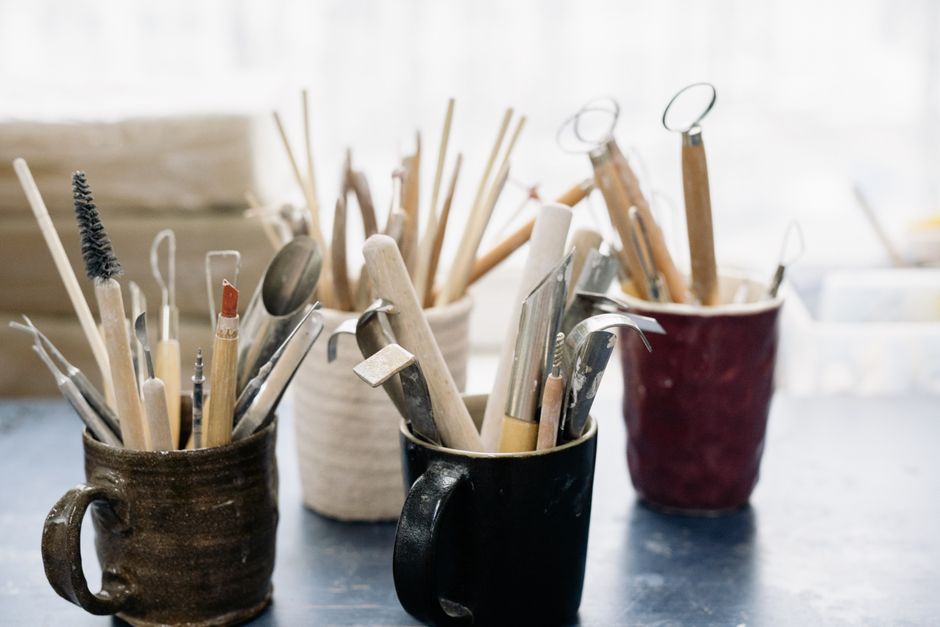
Maintaining your pottery tools is an essential aspect of the craft that directly influences the quality of your work and the longevity of your equipment. For potters, tools are an extension of the hands, and their condition can affect everything from the precision of trimming to the finish of a surface. Whether you are a hobbyist working in a home studio or a professional in a shared workshop, understanding how to properly care for your tools ensures they remain reliable and effective over time. This article explores practical methods for cleaning, sharpening, and storing common pottery tools, providing guidance that is both accessible and applicable to daily practice.
Clay, glazes, and other materials used in pottery can be abrasive and corrosive, causing tools to wear down, rust, or become clogged with residue. Neglecting maintenance not only shortens the lifespan of your tools but can also compromise the integrity of your pieces. For instance, a dull trimming tool may gouge the clay, while a rusty needle tool can leave unsightly marks. By adopting a consistent care routine, you can prevent these issues and maintain a high standard of craftsmanship. This article is designed to offer clear, step-by-step insights into cleaning, sharpening, and storing your pottery tools, with a focus on materials commonly found in studios.
In the following sections, we will delve into the specifics of daily cleaning practices, the nuances of sharpening various bladed tools, and the best approaches for storing tools to protect them from damage and deterioration. Each section will provide actionable advice that you can integrate into your studio routine, whether you work with clay occasionally or on a daily basis. By the end, you will have a comprehensive understanding of how to keep your tools in optimal condition, allowing you to focus your energy on the creative aspects of pottery.
Cleaning Pottery Tools: Daily and Deep Methods
Cleaning is the first line of defense in tool maintenance. After each use, tools should be wiped down to remove wet clay and slip, as these can dry and harden, making them difficult to remove later. A simple method involves keeping a bucket of water or a damp sponge nearby. Immediately after finishing a task, dip the tool in water and wipe it with a cloth or sponge to remove any clay residue. For tools with intricate parts, such as ribs or textured paddles, a soft brush can help dislodge clay from crevices. This daily routine prevents the build-up of dried clay, which can be abrasive and cause wear over time.
Beyond daily wiping, a deeper cleaning is recommended periodically, especially for tools exposed to glazes or high-iron clays. Glaze residue, if left to dry, can become difficult to remove and may even cause discoloration on tools. For metal tools, soaking in warm soapy water for a few minutes can loosen stubborn residue. However, prolonged soaking should be avoided for wooden handles, as it can cause the wood to swell and crack. Instead, use a cloth dampened with soapy water to clean wooden handles, then dry them thoroughly. For metal tools, a non-abrasive scrubber can be used to remove caked-on clay without scratching the surface.
Certain tools, like sponges and brushes, require special attention. Sponges should be rinsed thoroughly after each use and allowed to dry completely to prevent mold and bacterial growth. Brushes used for applying slip or glaze should be cleaned according to the type of bristle; synthetic brushes can be washed with mild soap, while natural bristles may require a gentle conditioner. Proper cleaning not only extends the life of these consumables but also ensures they perform effectively in future sessions. By maintaining a regular cleaning schedule, you minimize the risk of contamination and keep your tools ready for immediate use.
Sharpening Techniques for Bladed Tools
Bladed tools, such as trimming tools, loop tools, and cutting wires, are essential for shaping and detailing clay. Over time, their edges dull, which can lead to tearing, rough surfaces, and increased effort. Sharpening these tools is a skill that requires attention to the angle and material. Most pottery blades are made of stainless steel or high-carbon steel, each responding differently to sharpening.
There are several methods for sharpening bladed tools. A common approach is to use a whetstone or sharpening stone. Begin by moistening the stone with water or oil, depending on the stone type. Hold the tool at the appropriate angle, typically around 20 to 30 degrees, and draw the blade across the stone in a smooth motion. Repeat this process, alternating sides, until a consistent edge is achieved. It is important to avoid over-sharpening, which can thin the blade and make it brittle.
Alternatively, some potters use a leather strop or a fine-grit sandpaper for touch-ups. These methods are gentler and can be used more frequently to maintain an edge without removing excess metal. For curved blades, such as loop tools, a small file or a specially shaped sharpening stone that matches the curve can be used. The key is to follow the existing bevel angle and maintain uniformity.
Sharpening frequency depends on usage. Tools that are used daily may need sharpening weekly, while occasional tools might only require monthly attention. Testing the sharpness by gently running the tool along a smooth surface can help determine when it needs attention. A well-sharpened tool cuts through clay cleanly, reducing friction and allowing for greater control. Regular sharpening not only improves performance but also extends the life of the tool by preventing the need for aggressive grinding.
Storage Solutions to Protect Your Tools
Proper storage is crucial for preventing damage and ensuring tools are easily accessible. When tools are left loose, they can chip, bend, or cause accidents. A designated storage system, such as a tool roll, a pegboard, or a compartmentalized box, can keep tools organized and protected. For bladed tools, consider using individual sleeves or a magnetic strip to secure them safely.
Humidity is a significant factor in tool preservation. Metal tools stored in a damp environment are prone to rust, so it is advisable to store them in a dry place, possibly with moisture-absorbing packets. Wooden handles should be kept away from direct heat sources, as excessive dryness can cause them to crack. Additionally, tools should be stored away from direct sunlight, which can degrade certain materials over time.
Organizing tools by type and frequency of use can also streamline your workflow. Tools that are used frequently, such as a needle tool or wire cutter, can be kept within arm’s reach, while specialized tools can be stored in a dedicated compartment. Labeling storage containers or using color-coded handles can help identify tools quickly. For long-term storage, such as when taking a break from pottery, ensure all tools are thoroughly cleaned, dried, and conditioned before storing. Applying a light coat of oil to metal parts can prevent rust, but be sure to wipe off excess to avoid residue transferring to clay.
In shared studios, it is especially important to implement a clear storage system to avoid mix-ups and damage. Each potter might have their own tool kit, clearly marked with their name. By investing time in a good storage setup, you protect your tools from unnecessary wear and tear, and you create a more efficient and enjoyable working environment.
Material-Specific Care: Wood, Metal, and More
Pottery tools are made from a variety of materials, each with its own care requirements. Understanding these nuances is key to maintaining their integrity and performance. Wooden tools, such as ribs and paddles, should be wiped clean after use and occasionally treated with a food-safe oil, like mineral oil, to prevent the wood from drying out. Avoid soaking wooden tools in water, as this can cause warping or cracking.
Metal tools, including steel ribs and cutting wires, benefit from regular cleaning and drying to prevent rust. If rust appears, it can be removed with fine steel wool and a rust remover, but prevention is always preferable. Applying a thin layer of protective wax or oil can create a barrier against moisture. For aluminum tools, avoid harsh chemicals that may cause pitting.
Plastic and silicone tools are generally more resistant to wear, but they can become stained by clay or glazes. Cleaning them with warm soapy water and a non-abrasive sponge is usually sufficient. If they become brittle over time, they may need to be replaced, as they may not withstand the same stress as metal or wood.
Sponges and chamois should be rinsed and wrung out after each use, then allowed to dry completely. Storing them in a well-ventilated area prevents mold growth. Brushes, as mentioned, need proper cleaning and conditioning to maintain their shape and bristle flexibility. By tailoring your care routine to the material of each tool, you can ensure that they perform optimally and last longer, providing a better return on your investment.
Integrating Tool Maintenance into Your Routine
Developing a consistent maintenance routine is perhaps the most important aspect of tool care. This involves not only cleaning and sharpening but also inspecting your tools regularly for signs of wear or damage. For example, check for loose handles, bent wires, or nicks in blades. Early detection allows you to address issues before they worsen, potentially saving a tool from being replaced.
Setting aside time for maintenance, perhaps at the end of a working session or once a week, can help keep your tools in top condition. A simple checklist can be helpful: wipe tools after each use, conduct a deeper clean weekly, sharpen blades as needed, and inspect for damage monthly. By integrating these tasks into your regular practice, they become habitual and less burdensome.
In a teaching or community studio environment, promoting a culture of care can be beneficial. Encouraging everyone to clean up after themselves and providing adequate maintenance supplies, such as sharpening stones, oil, and rags, fosters a respectful and efficient workspace. Additionally, keeping a maintenance log can track which tools need attention and when, ensuring nothing is overlooked.
Remember, the goal is not to achieve perfection but to maintain functionality and safety. Tools that are well-maintained not only perform better but also reduce the risk of injury, as sharp edges are predictable and less likely to slip. By making tool care a part of your pottery practice, you invest in the quality of your work and the longevity of your equipment, allowing you to focus on creativity and craftsmanship.
In conclusion, proper maintenance of pottery tools is a multifaceted discipline that encompasses cleaning, sharpening, and storage. Each aspect contributes to the overall performance and lifespan of your tools. By understanding the specific needs of different materials and adopting a regular care routine, you can ensure that your tools remain reliable companions in your artistic journey. Whether you are shaping a delicate vase or crafting a textured platter, well-maintained tools make the process smoother and more enjoyable. So, take the time to care for your tools, and they will serve you well for years to come.